
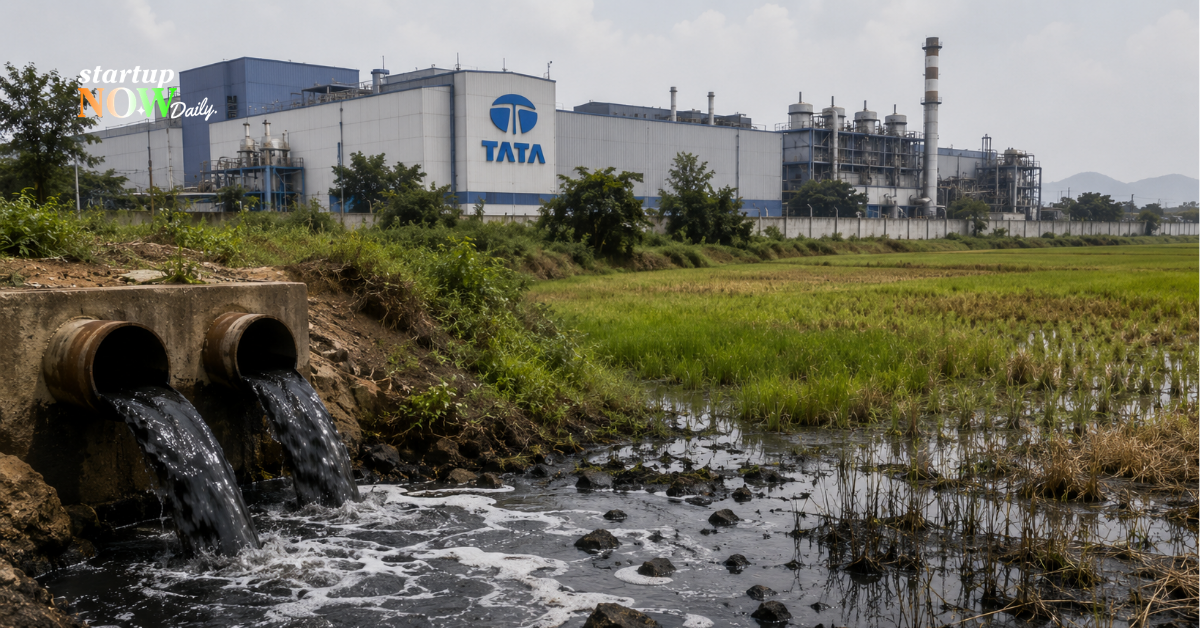
Pollution Regulator Warns Of Possible Shutdown Over Alleged Wastewater Contamination
Tata Electronics, one of Apple’s key manufacturing partners in India, is facing scrutiny after Tamil Nadu’s pollution regulator alleged that wastewater discharged from its iPhone components factory contaminated groundwater and nearby agricultural land.
According to a warning notice issued by the Tamil Nadu Pollution Control Board (TNPCB), the regulator has asked Tata Electronics to explain why power supply to the facility should not be disconnected and operations suspended over alleged environmental violations.
The development comes as Apple continues to expand its manufacturing footprint in India and reduce dependence on China for iPhone production.
Complaints Trigger Multiple Inspections
The factory under investigation is located in Hosur, Tamil Nadu, and manufactures back panels and other components used in Apple’s iPhone supply chain.
The issue surfaced after local farmers complained that wastewater from the facility was contaminating agricultural land and open wells located near the plant.
Following the complaints, TNPCB conducted five inspections between December 2025 and May 2026.
According to the regulator’s notice, inspectors found that wastewater generated by the factory was being discharged into a rainwater harvesting pond within the facility. The board alleged that the pond subsequently overflowed, allowing contaminated water to enter adjacent farmland and groundwater sources.
The notice further claimed that Tata Electronics had failed to implement corrective measures despite receiving earlier instructions from the pollution board in December 2025.
Tata Rejects Allegations
Responding to the allegations, Tata Electronics said it remains compliant with all applicable environmental regulations.
The company told Reuters that it commissioned an independent assessment through an accredited laboratory and that the findings concluded the facility was operating within regulatory norms.
“Tata Electronics is committed to responsible business practices and protection of the environment and local communities,” the company said in a statement.
The company added that it had already submitted a response to pollution authorities but did not disclose further details.
Fresh Challenge For Apple’s India Supply Chain
The latest development adds to a series of operational challenges that have affected Apple’s manufacturing ecosystem in India over the past few years.
In September 2024, a major fire at Tata’s Hosur facility temporarily disrupted production of iPhone components. Earlier, a fire at Pegatron’s iPhone assembly plant also caused production interruptions.
Apple’s India supply chain has also faced regulatory scrutiny in other areas. In 2024, a Reuters investigation reported that major supplier Foxconn had allegedly excluded married women from certain iPhone assembly roles, although the company stated it complied with all local laws.
Neither Apple nor the Tamil Nadu government responded to Reuters’ requests for comment regarding the latest allegations.
India’s Growing Role In Global iPhone Manufacturing
The pollution dispute emerges at a critical time for Apple’s India expansion strategy.
India is expected to manufacture approximately 26% of all iPhones globally in 2026, according to Counterpoint Research, up sharply from just 6% four years ago.
Tata Electronics has become one of Apple’s most important manufacturing partners in the country and is currently the second-largest supplier to Apple in South Asia after Taiwan’s Foxconn.
The company plays a key role in Apple’s efforts to diversify production away from China and strengthen its supply chain resilience.
What Happens Next?
The Tamil Nadu Pollution Control Board has asked Tata Electronics to provide an explanation regarding the alleged violations and demonstrate why operations at the facility should not face regulatory action.
The outcome of the case could have broader implications for environmental compliance standards across India’s rapidly expanding electronics manufacturing sector.
As global technology companies continue increasing investments in India, environmental and regulatory compliance will remain a critical area of focus for both manufacturers and policymakers.